
Nepal: The Heart of the Himalayas
Discover Nepal, home to the world’s highest peaks, vibrant cultures, mountains, mountains and premier trekking destinations.
NMLA celebrates this majestic land by training mountain leaders to guide adventurers safely, sustainably through its iconic trails, rich heritage.
Nepal is a landlocked Himalayan country located between India and China. Despite its relatively small size, Nepal is globally recognized for its exceptional geographical diversity, cultural richness, and mountaineering significance.
The country covers an area of approximately 147,516 square kilometers and is characterized by three major geographical regions: the lowland Terai, the mid-hill region, and the high Himalaya. Elevation ranges from less than 100 meters in the southern plains to the summit of Mount Everest at 8,848.86 meters, the highest point on Earth.
Nepal is home to a significant portion of the Himalayan mountain range, including eight of the world’s fourteen peaks above 8,000 meters. These mountains play a vital role in global mountaineering, adventure tourism, and environmental research.
Beyond its physical landscape, Nepal holds deep cultural and spiritual significance. The mountains are revered by local communities and are closely linked to traditional lifestyles, religion, and identity. The country’s diverse ethnic groups, languages, and traditions further enhance its unique character.
For the Nepal Mountain Leader Association, Nepal represents one of the world’s premier environments for mountain leadership, offering unparalleled opportunities for trekking, guiding, and high-altitude professional development in a dynamic and challenging alpine setting.

Total peaks
1,310 (above 5,800m)

Himalaya Range
10 (Data Base on GHT)

National Parks & Conservation
20 (Data base in DNPWC)

Heritage sites
10 (Data base on UNESCO)

Visual Journeys Through the Himalayas


Immerse yourself in Nepal’s stunning landscapes, vibrant communities through our curated galleries. Witness the snow-capped peaks of Everest, the lush valleys of Annapurna, the cultural richness of local villages. Each image captures the essence of Nepal’s trekking routes, showcasing trails led by NMLA-trained guides.
From Backend

Cultural Heritage of Nepal
Nepal’s Himalayas are home to vibrant cultures, including Sherpa, Tamang, Gurung communities, whose traditions enrich every trek.
Nepal possesses a rich and diverse cultural heritage shaped by centuries of history, tradition, and spiritual practice. Situated at the crossroads of South and Central Asia, the country reflects a unique blend of Hindu and Buddhist influences, visible in its architecture, festivals, rituals, and daily life. The cultural landscape of Nepal is distinguished by its historic cities, temples, monasteries, and traditional settlements. Notable heritage sites include Kathmandu Valley, a UNESCO World Heritage Site known for its ancient palaces, courtyards, and sacred monuments, as well as Lumbini, the birthplace of Lord Buddha. Nepal is home to numerous ethnic groups, each maintaining distinct langua…
Nepal possesses a rich and diverse cultural heritage shaped by centuries of history, tradition, and spiritual practice. Situated at the crossroads of South and Central Asia, the country reflects a unique blend of Hindu and Buddhist influences, visible in its architecture, festivals, rituals, and daily life.
The cultural landscape of Nepal is distinguished by its historic cities, temples, monasteries, and traditional settlements. Notable heritage sites include Kathmandu Valley, a UNESCO World Heritage Site known for its ancient palaces, courtyards, and sacred monuments, as well as Lumbini, the birthplace of Lord Buddha.
Nepal is home to numerous ethnic groups, each maintaining distinct languages, customs, attire, and traditional knowledge systems. Festivals such as Dashain and Tihar are widely celebrated, reflecting strong community bonds and spiritual values.
This cultural richness is closely linked to the natural environment, particularly in mountain regions where traditional lifestyles, beliefs, and practices continue to guide sustainable living. For the Nepal Mountain Leader Association, understanding and respecting Nepal’s cultural heritage is essential to responsible mountain leadership and the preservation of local identity.

Pashupatinath means "the load of the animals". This temple is the biggest temple in Nepal and is one of the four most important religious sites of Asia. The temple is dedicated to the Hindu God Lord Shiva and is one of the most ancient temples of Nepal built in the 5th Century. This religious site is believed to have existed from the beginning of the millennium when the Shiva Lingam was discovered here.The temple is built in Pagada style with gilded roofs. The main temple has four gates which are entirely made up of silver. On the very entrance of the temple lies the huge metallic statue of the bull named Nandi which is believed to serve as the vehicle to Lord Shiva.Nearby Pashupatinath lies the Guheshwori temple which is dedicated to Shiva's consort, Sati Devi.

Experience festivals like Losar, Mani Rimdu, celebrated along trekking routes. ur programs emphasize sustainable practices, ensuring communities thrive alongside tourism.
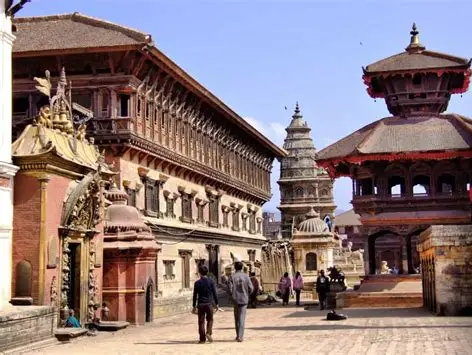
Bhaktapur Durbar Square is a historic and cultural center located in Bhaktapur, Nepal. It was the royal palace complex of the Malla kings and served as the city's administrative, cultural, and religious center for centuries. The square is known for its stunning architecture, including the Nyatapola Temple, the 55-Window Palace, and the Golden Gate (Sun Dhoka). It is a UNESCO World Heritage Site and is recognized for its rich cultural heritage and vibrant atmosphere. Visitors can explore the square's courtyards, temples, and enjoy local culture and festivals.


